
TRANSPORTATION. LOGISTICS.
Moving Data at the Speed of Business
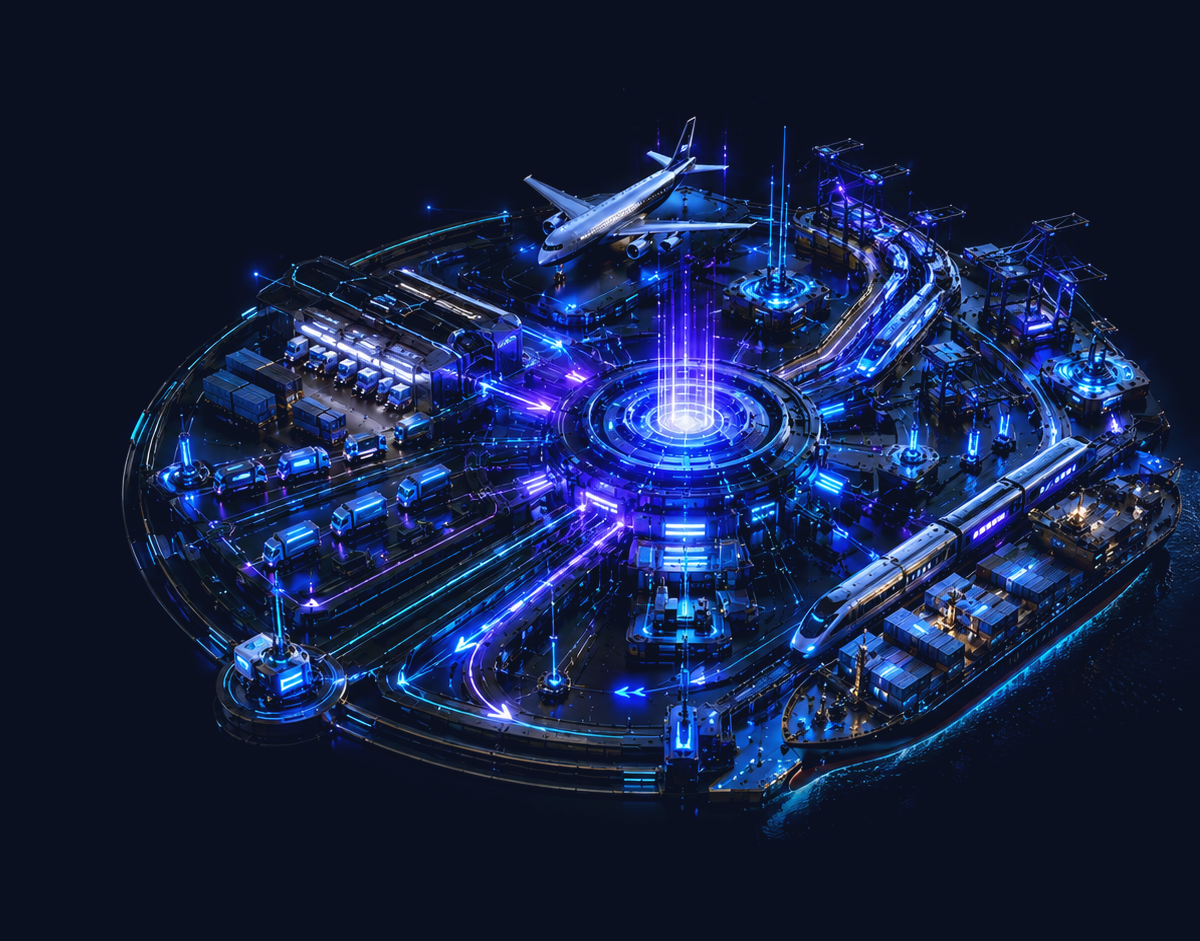
Transportation and logistics depend on the continuous coordination of assets, routes, capacity, partners and customers. We connect operational information to provide a trusted, timely view across the network. Greater visibility helps organisations improve planning, manage resources effectively and respond faster to changing conditions, strengthening reliability, efficiency and service performance.
Analytics and AI help anticipate demand, disruption and operational constraints before they affect customers or costs. Automation accelerates coordination and enables faster decisions throughout complex workflows. By transforming data into practical action, we help organisations optimise utilisation, improve delivery performance and build more resilient, scalable operations that keep businesses and customers moving.
DATA-DRIVEN. DECISIONS.
The Decisions Data Should Improve
Transportation and logistics networks require continuous decisions across demand, capacity, routes, assets and customers. Connecting operational and commercial data creates the intelligence needed to coordinate these moving parts, respond to disruption and improve reliability across the network.

Growth and Commercial Performance
Analyse customer demand, route profitability, capacity and pricing to identify growth opportunities and improve commercial planning. Forecasting helps align services and resources with future market requirements.

Customer Experience
Provide accurate, timely information about bookings, shipments, arrivals and potential disruption. Proactive communication and reliable predictions create greater transparency and confidence throughout the customer journey.
Operational Excellence
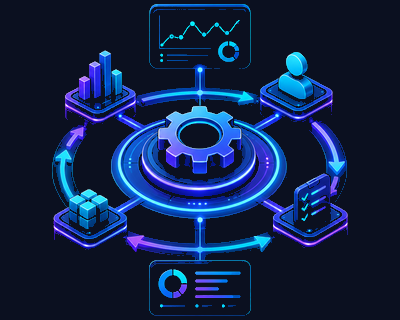
Optimise routes, schedules, vehicle utilisation, warehouse activity and workforce allocation. Real-time intelligence and automation improve delivery performance while reducing empty capacity, delays, fuel consumption and manual coordination.
Risk, Compliance and Resilience
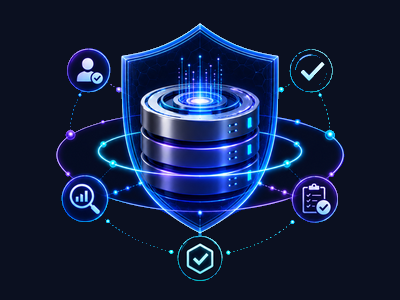
Monitor vehicle condition, route disruption, cargo risk and regulatory obligations continuously. Predictive alerts and traceable data help organisations respond earlier and maintain safe, compliant and resilient operations.
KPI. SIGNAL. MONITOR.
The Signals That Matter
Transportation and logistics performance depends on coordinating time, capacity, assets, cost and customer commitments. Connected KPIs provide the visibility required to improve planning, anticipate disruption and keep goods and passengers moving reliably.
On-Time Delivery
Measures the proportion of deliveries completed within the agreed time window. It is a central indicator of service reliability and reflects performance across planning, transportation, warehousing and coordination.
Estimated Arrival Accuracy
Compares predicted arrival times with actual outcomes. Greater accuracy enables proactive communication, improves planning at destinations and strengthens confidence throughout the delivery journey.
Cost per Shipment or Delivery
Calculates the total operational cost associated with completing each movement. Analysing cost by route, customer, vehicle and service helps identify inefficiency and protect profitability.
Capacity Utilisation and Empty Distance
Measures how effectively available vehicle and cargo capacity is used, including distance travelled without a productive load. It helps reduce avoidable journeys, cost and environmental impact.
Fuel and Energy Efficiency
Tracks the fuel or energy consumed relative to distance, cargo or passengers transported. It supports cost control, fleet optimisation and progress towards environmental objectives.
Damage, Claims and Incident Rate
Measures service failures involving damaged goods, accidents, claims or safety incidents. Monitoring their causes helps strengthen controls, protect customers and improve operational resilience.
AI. ACTION. IMPACT.
Where AI Creates Impact
AI can make transportation and logistics networks more predictable, coordinated and resilient. By connecting orders, routes, vehicles, warehouses, traffic and environmental conditions, it helps organisations respond to disruption, improve asset utilisation and deliver goods more efficiently.
Predict Demand, Arrival Times and Disruption
AI can forecast shipment volumes, arrival times, traffic conditions and potential disruption using operational and external data. Greater visibility improves customer communication, capacity planning and contingency management while reducing delays and uncertainty across the network.
Optimise Routes, Loads and Network Capacity
AI can continuously evaluate routes, vehicle capacity, delivery windows, fuel use and operational constraints. Better optimisation increases asset utilisation, reduces empty kilometres and supports more reliable deliveries with lower operating costs and environmental impact.
Detect Maintenance, Safety and Cargo Risk
Machine learning can analyse telematics, sensor data and operational events to identify possible equipment failure, unsafe conditions or cargo damage. Earlier alerts allow teams to intervene before problems escalate, protecting people, assets, goods and service continuity.
Automate Coordination and Documentation
AI can automate elements of booking, dispatch, customs documentation, proof of delivery, status communication and claims processing. This reduces manual errors, accelerates administrative processes and gives teams more time to manage exceptions and customer-critical situations.